Understanding DMI and pediatric therapy types
Every child is different. Dynamic Movement Intervention (DMI) is one powerful approach, but pediatric therapy also covers a wide range of other disciplines. Here is what families in the Treasure Valley need to know about DMI and other therapy options.
Dynamic Movement Intervention (DMI)
DMI is a therapeutic technique used in pediatric physical and occupational therapy to improve automatic postural responses to gravity and drive progress toward developmental milestones.
1-2 months
Minimum age for DMI therapy
45-50 min
Typical session length
5x per set
Exercise repetitions to build automatic responses
Pediatric Physical Therapy (PT)
Pediatric physical therapy helps children improve their gross motor skills, strength, balance, coordination, and mobility. Therapists use play-based activities and specialized techniques to help children move more confidently and independently. DMI is often incorporated into PT sessions as a specific therapeutic approach.
Common conditions treated:

Pediatric Occupational Therapy (OT)
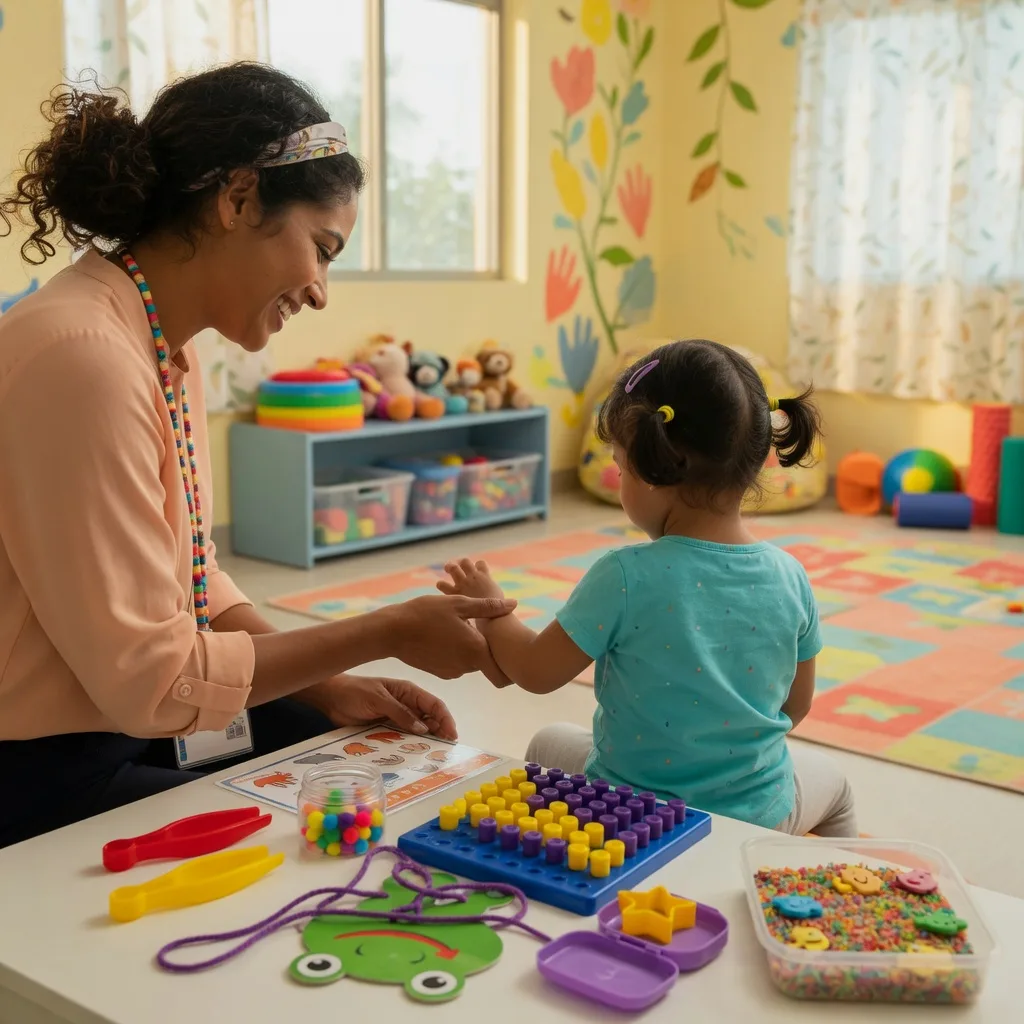
Occupational therapy helps children develop the skills they need for daily living, including fine motor control, sensory processing, handwriting, self-care, and social participation. OTs work with children on everything from tying shoes to managing sensory input in a busy classroom. Some OTs also incorporate DMI techniques into their practice.
Common conditions treated:
Speech-Language Pathology (SLP)
Speech-language pathologists help children with communication, articulation, language development, fluency, voice, and feeding/swallowing disorders. Whether your child is not yet speaking, has a stutter, or struggles with reading, SLPs provide targeted intervention.
Common conditions treated:

Behavioral Therapy
ABA & Developmental Support
ABA Therapy & Behavioral Support
Applied Behavior Analysis (ABA) is an evidence-based approach primarily used for children with autism spectrum disorder. ABA therapists use positive reinforcement to build communication, social skills, and adaptive behaviors. Developmental therapy takes a broader approach, addressing overall developmental delays across multiple domains.
Common conditions treated:
When should you seek therapy?
Every child develops at their own pace, but certain signs may indicate your child could benefit from professional support including DMI therapy.
Early signs (birth to 2 years)
- Not sitting, crawling, or walking by expected milestones
- Not babbling or using words by age 2
- Difficulty with feeding or swallowing
- Extreme sensitivity to textures, sounds, or light
School-age signs (3 to 12 years)
- Difficulty with handwriting or fine motor tasks
- Trouble following directions or expressing thoughts
- Challenges with peer interaction or behavior
- Struggles with reading, speech clarity, or stuttering
If you recognize these signs, early intervention matters. Idaho's Infant Toddler Program offers free evaluations for children birth to 3.
Find Local ResourcesJust been referred to therapy? Start here.
Already in therapy and not seeing progress? Read what to do when therapy isn't working.
Not sure which type of therapy your child needs?
Start with an evaluation — the Idaho Infant Toddler Program evaluates children birth to three at no cost, and your pediatrician can refer older children.